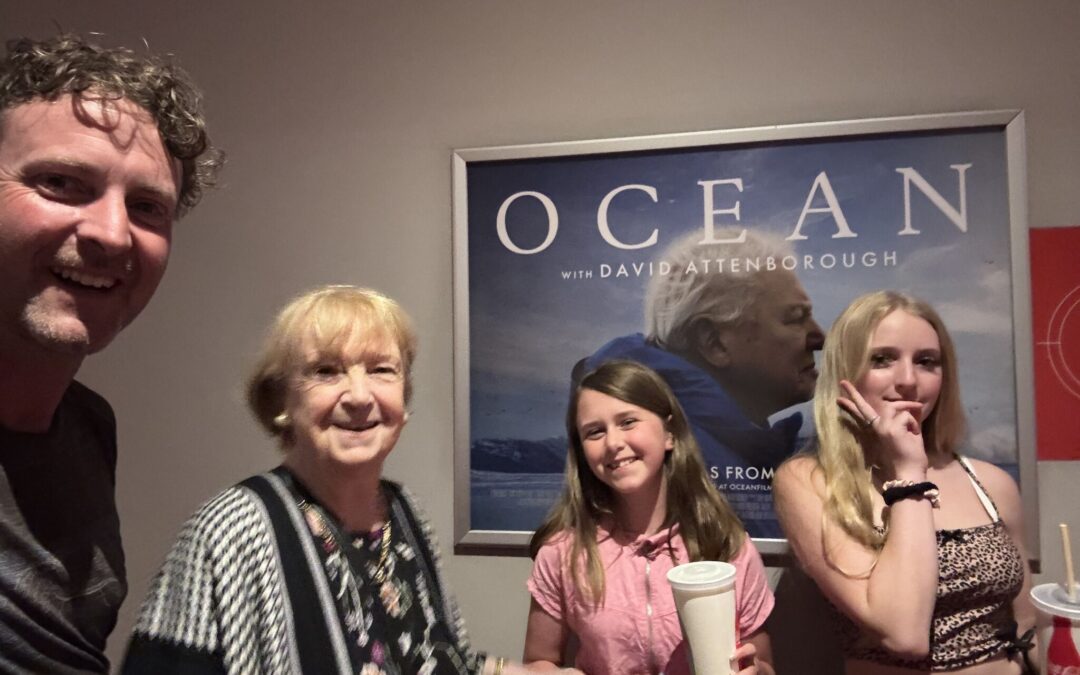
Sir David Attenborough celebrated his 99th birthday with the launch of his new film: Ocean. It may be his last film and possibly one of his most important. I went to see it yesterday with my Mom and my daughters.
I have been thinking about the Ocean and how in the 1961 science fiction book, Solaris, the Ocean was a conscious living entity, which interacted with the humans orbiting it.
Surely the life forms we see under our oceans, are as strange as anything science fiction can imagine.
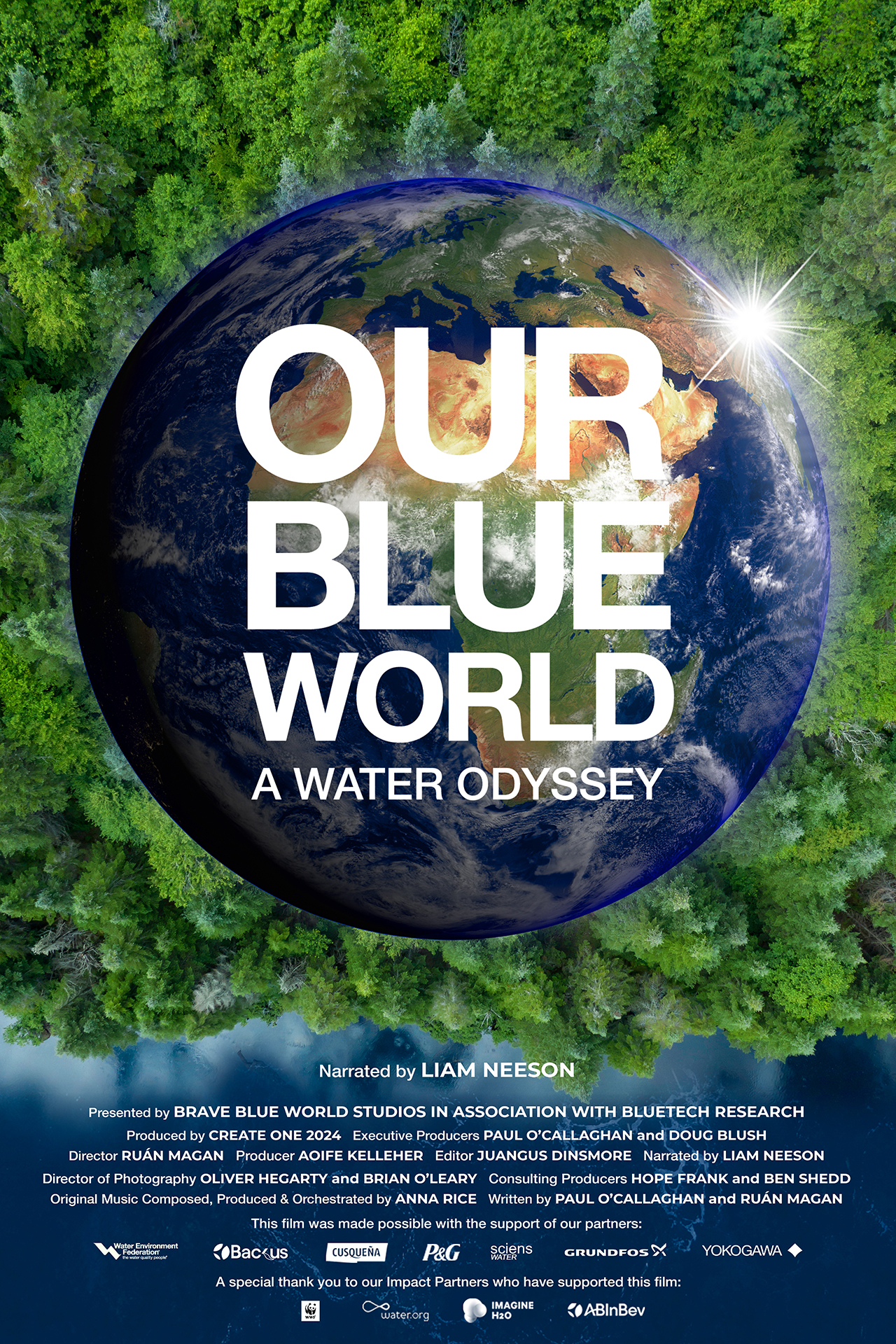
Science fiction done well, can help us to imagine a future, and through that lens, see our own world more clearly. Sometimes we have to tell a different story, in order to see what’s in front of us. The comic parody, Don’t Look Up, did this very well, juxtaposing a meteor heading towards earth as an allegorical tale of how preoccuppied and easily distracted we are with the trivia of the network news cycle. The wars of the Lilluputians, in Jonathan Swift’s Gullivers Travels was parody and commentary on the religious wars in Europe. George Orwell’s Animal Farm, took a similar approach to communism, while 1984 was futuristic fiction which introduced words such as Newspeak and Thought Police, which is still incredibly prescient today as people rewrite science based narratives to suit their political ends. William Burroughs famously said, (as shared by Mark Nelson in Our Blue World), ‘we need a new mythology for the space age, one in which heroes are judged based on how their actions affect the planet’.
This oblique approach to story-telling found a new form of expression in Absurdist drama post World War II, where Rhinorceros, The Chairs and Waiting for Godot, were responses to the rise of fascism, the Nazi party and attrociteis and absurdities of both world wars, which proved impossible to address directly, defying conventional approaches.
What David Attenborough documents, about the effects of desctructive deep sea trawling on an industrial scale, is absurd. Destroying a habitat and discarding 75% as by-catch is an act of sabotage. The film is also hopeful, as it shows how quickly the oceans can rengenerate if we let them. I joined a local Save the Sprat campaign and wrote to my local politicians within 24 hours of watching it.
Finally, I was always struck by the juxtaposition of the word ‘Firemen’ in Fahrenheit 451, a future distopian drama where Firemen burn books, as opposed to put out fires. I think as water people, we should be ‘leavers of water’, not ‘takers of water’. Fix those leaks, recycle that water, leave most of it for nature and it will help cool the planet.
David Attenborough’s A Life on Our Planet, launched the same year as Brave Blue World and there is a certain synchronicity to Our Blue World launching at the same time 5 years on. Ocean explores life beneath our seas and our relationship to it, Our Blue World explores the deep human connection to water on land and our ability to rengerate. It’s all One Water in our Blue Room!